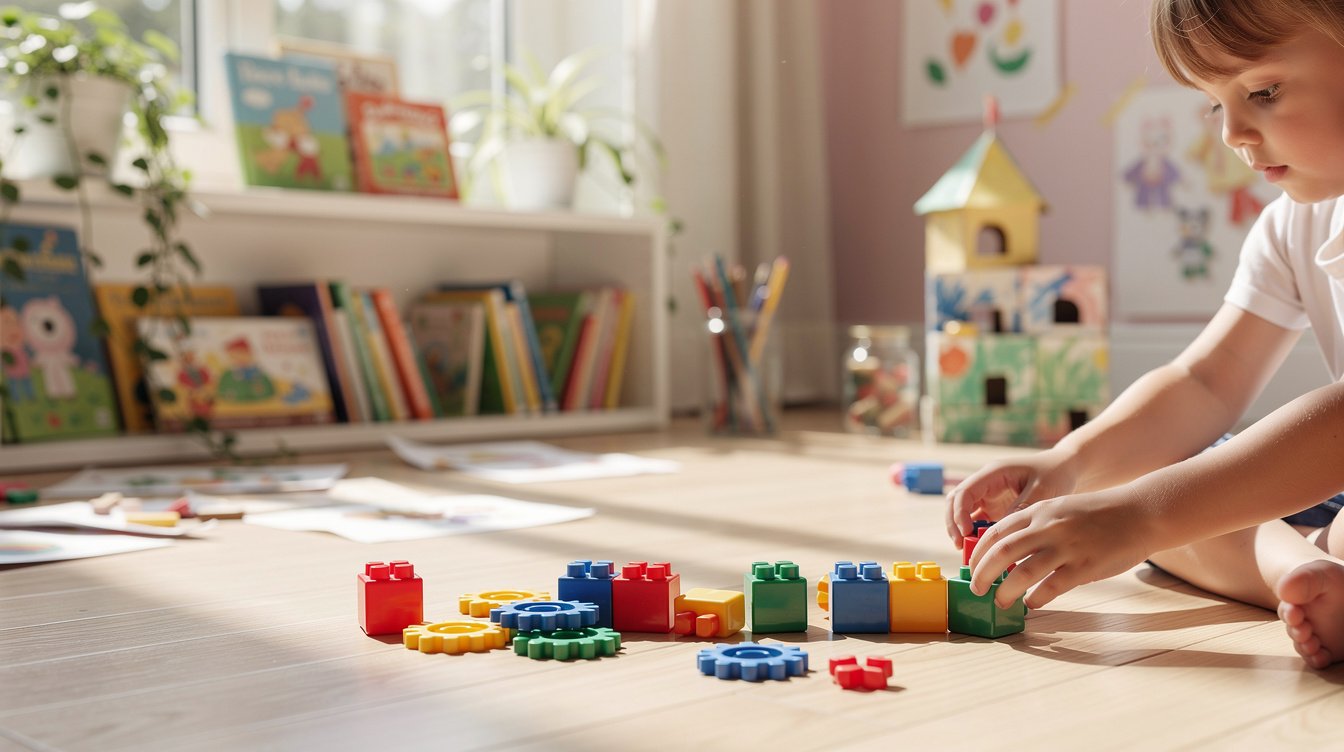
Hands-on building with working circuits teaches kids electrical engineering fundamentals through play, turning curious minds into future innovators and problem-solvers.
Created by MIT and Stanford engineers to close the gender gap, inspiring girls to confidently explore science, technology, and design careers.
Modular pieces, motors, and customizable parts let children invent unique structures again and again, fueling imagination far beyond a single build.

Engineering meets imagination in a toy line designed to spark curiosity in young builders. Each kit invites kids to design, wire, and construct their own miniature worlds, from dollhouses to spinning carnivals.
Real circuits, motors, and lights turn simple playtime into genuine STEM discovery. Children learn core concepts in engineering and problem-solving without ever feeling like they're studying.
Parents appreciate the thoughtful craftsmanship and lasting play value. Kids simply love bringing their ideas to life, one click and connection at a time.

Sean Adams
My niece got this for her birthday. Honestly? I was skeptical. Figured it'd end up in the closet with the rest of the "educational" stuff parents buy and kids ignore.
Boy was I wrong. She spent like three hours just. building. Wouldn't even come down for dinner lol. The little motor thing that makes stuff spin — genius, really. Simple but she thought she was an engineer.
Pieces feel solid enough, though a couple connectors were a pain to snap in. Not a dealbreaker.
Would I buy again? Yeah probably. Worth it.

Abigail Armstrong
What stood out most was how naturally this building set blends creativity with simple engineering ideas. The pieces feel thoughtfully designed, with enough variety to keep things interesting without becoming confusing. It has that rare balance of being approachable for younger kids while still leaving room for experimentation, which makes it easy to imagine repeated use instead of a one-time burst of excitement.
The design has a bright, friendly look, but it does not come across as flimsy or disposable. Putting parts together seems satisfying rather than frustrating, and the overall concept encourages tinkering in a way that feels playful first, educational second. That order matters because it keeps the experience from feeling like homework disguised as fun.
Another nice aspect is the sense of independence it seems to support. A child can follow ideas, change direction, and rebuild without everything falling apart emotionally or physically. As a sample of a STEM-focused toy, it gives the impression of being engaging, flexible, and genuinely well considered.

Alyssa Howard
My daughter spent like three hours straight just... building. No screen, no complaints. That alone is kind of wild.
The pieces fit together okay — not perfect, some connections feel a bit loose honestly, but she figured it out herself and that felt like the whole point. The wiring part stressed me out a little watching her, but she got it. Way faster than I expected.
Design is cute, colorful without being overwhelming. Holds up fine after a few weeks of pretty rough handling — nothing snapped or broke, which, you know, matters a lot at this age.
Not everything assembled super intuitively, the instructions could be clearer. But overall? She's genuinely proud of what she made. That's not nothing.